Four out of five new beekeepers quit

Rumour has it that 80% of new beekeepers will quit within the first two years. I don’t know how accurate that estimate is.

Like other statistics related to beekeeping, it seems to survive with no one keeping score.

Beekeeping has a romantic aspect that attracts a wide following, but the day-to-day life of a beekeeper is anything but romantic. Here are some of the things that can cause a new beekeeper to run.

Keeping bees is not like having a pet We’ve all grown up around house pets and we understand the rules: “Dogs have masters, cats have servants.” With

Source: Are you one of the 80% who will quit? – Honey Bee Suite

For this and other bee-related stories, see SKA Bee News.
 

Plastic devouring waxmoths save mankind – the truth

Photograph by Andrew Darrington, Alamy

Photograph by Andrew Darrington, Alamy

You will have seen I posted up a link to a story on how wax moths may be able to clear up some of the plastic humanity has choked the planet with.

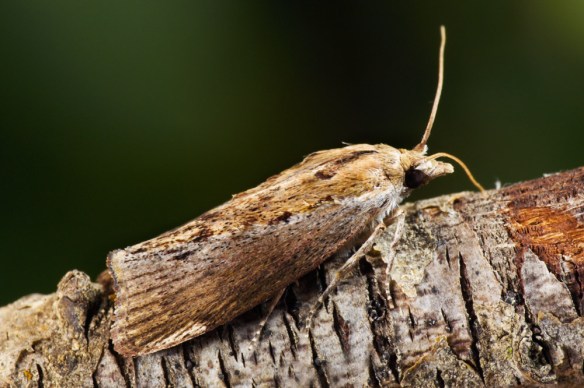
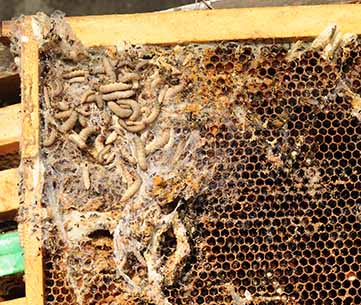
Wax moths lay eggs in hives and their larvae – also used as bait  eat the across the comb through cells, preferably ones that once had brood in them.

Though a nuisance to a beekeeper by destroying comb that has been stored if left undiscovered (see pic below), the do serve a useful purpose already.


Kathy Keatley Garvey, UC Davis Department of Entomology

Kathy Keatley Garvey, UC Davis Department of Entomology

Aside from their use as a live feed for pet birds and bait for anglers, wax moths can, apparently, ‘recycle’ plastics

However, the news has focused on breeding moths, when in fact the scientists want to isolate the enzyme and grow it for industrial use.

The worries published about millions of wax moths wiping out bees – and therefore the crops they pollinate – is fatuous. Wax moths will not get a hold on a strong colony, but they do tidy up weak, failing ones – survival of the fittest alive and well.

Here is a far better story that describes what has been discovered and how it may help mankind clean up some of its mess.


Honey bee hive nuisance pest could just save the world… 

It would appear that wax moths – an annoyance to beekeepers though a favoured bait for anglers – may just save humanity from the mess it has made of the planet.

See the story below for more details…  

The global plastic bag pollution crisis could be solved by a waxworm capable of eating through the material at “uniquely high speeds”, scientists have announced.

Source: Plastic-eating wax worm ‘extremely exciting’ for global pollution crisis